CONTACT US:
Harps are among the most delicate instruments to move. They are tall, awkwardly shaped and under constant string tension, and they are often extremely valuable, whether as a professional concert instrument, a family heirloom or an antique with significant provenance.
This is where specialist harp shipping comes in.
Unlike standard removals, harp transportation requires the right equipment, trained handlers and careful planning to protect the instrument's soundboard, neck, mechanism and finish throughout the journey.
For harpists, orchestras, dealers, auction houses, concert venues and collectors, understanding what proper harp shipping involves is an important part of planning any move.
At Prime Lane, we understand that specialist shipments require careful planning. From collection and secure transportation to delivery and placement, we can help coordinate the logistics involved in moving harps of all types, locally and internationally.
What does professional harp shipping involve?
Harp shipping supports a wide range of clients, each with their own requirements.
We regularly work with:

Educational

Orchestras & Venues

Museums & Collections
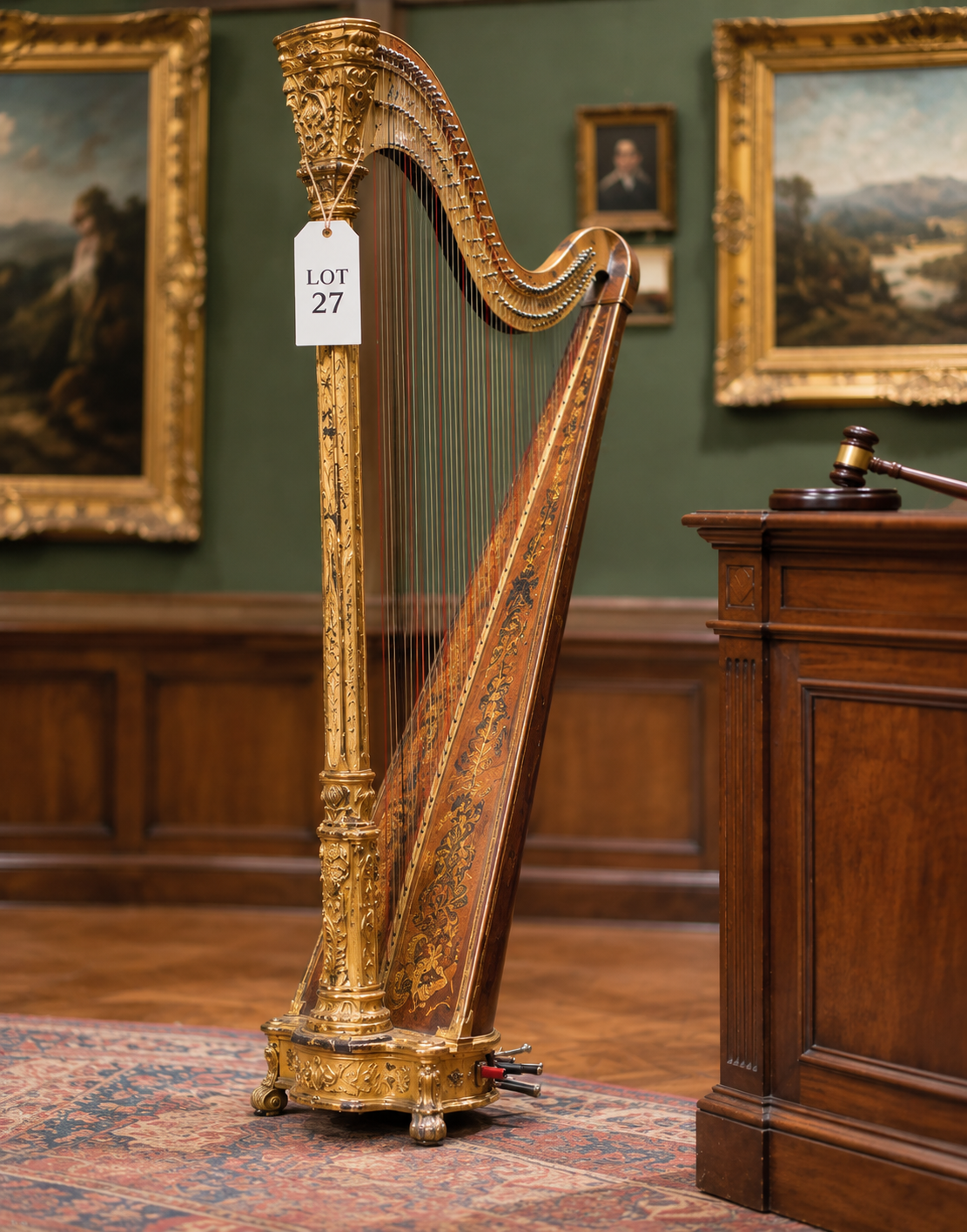
Dealers & Auction Houses
The fact that a harp looks sturdy does not mean it can be moved like ordinary furniture.
Depending on the size, weight, age, value and destination, you may require a padded transport cover, a fitted flight case or custom crating, or additional safeguard before the harp can be safely transported.
When Do You Need Specialist harp Shipping?
Professional harp handling may be required for:
- House moves and relocations
- Concert, rehearsal and venue transportation
- Orchestra and touring logistics
- Weddings and private events
- Museum and exhibition loans
- Auction house sales and acquisitions
- Restoration, regulation and repair transport
- International and cross-border moves
Requirements vary depending on the instrument and the route involved, so the harp's height, weight and access points should be checked before the move. Low doorways, tight stairwells and lifts can all affect how a harp is carried. Failure to plan ahead can lead to delays on moving day.
What Happens If a harp is not moved correctly?
If a harp is moved without the right equipment, padding or handling technique, the instrument can be seriously damaged, and there is also a risk of damage to the property.
Potential problems can include:
- Cracks or lifting in the soundboard
- Damage to the neck, column or crown
- Knocks to the pedal mechanism or disc regulation
- Broken strings or instability in tuning
- Additional repair, regulation and re-stringing costs
- Delays to performances, recordings or event schedules
For professional, antique or performance instruments, these issues can cause significant disruption and cost.
Planning your harp move with specialists is therefore essential.


Why does harp shipping need specialist care?
Harps are not simply awkward to carry; they are precision instruments. A full-size concert pedal harp stands around 1.8m tall and typically weighs 35–40kg, with most of that weight concentrated at the top and back of the instrument rather than at the base. Its strings hold the frame under considerable tension at all times, which means the soundboard and neck are constantly under load.
Harps are frequently damaged when moved like general furniture, because standard removal techniques are not suited to their height, uneven weight distribution and sensitive soundboard. A harp should never be lifted by its neck or column, and even a light knock to the pedal mechanism can affect how the instrument plays.
Moving a harp safely requires trained handlers, purpose-built equipment such as harp trolleys and padded transport covers, and an understanding of how to tilt, carry and secure the instrument through stairs, doorways and vehicles without placing strain on the frame.
Harps are also highly sensitive to temperature and humidity, so conditions during transit matter just as much as the handling itself.
Today, professional harp shipping provides a safe, coordinated way to move instruments of all sizes, whether across town or across borders. This is particularly relevant for harpists, orchestras and institutions, where a harp often needs to arrive on time, in good condition and ready to perform.
Understanding what's involved in harp shipping is important when planning any move, including international relocations.
HOW CAN PRIME LANE ASSIST YOU?
We can assess the size, weight and access requirements of your harp to plan the safest possible route for collection and delivery.
Where required, we can arrange padded transport covers, flight cases or custom crating to protect the instrument throughout transit.
We can help you prepare for the move, including advice on protecting the soundboard and mechanism, string tension and post-move tuning.
Support for moves between the UK and EU destinations, with customs and logistics considered alongside transport.
We can coordinate the full journey, from careful loading and secure, climate-conscious transit to placement in the harp's new location.
Support for harpists, orchestras, dealers, museums and venues moving harps for concerts, sales, exhibitions and relocations.
FAQs
What kind of cover do you provide against loss and damage?
We offer comprehensive safeguard options that provide coverage against loss and damage during transit, giving you peace of mind that your instrument is protected. Please contact us for more details on the specific coverage options available.
How is a harp prepared and protected for transport?
Each harp is inspected and documented before the move. Depending on the instrument, this can include placing it in a padded transport cover, protecting the pedals and base, and securing it on a harp trolley. For long-distance or international shipments, the harp may be placed in a fitted flight case or custom crate. It is then loaded and secured in the vehicle so it cannot shift during transit.
Will my harp need retuning after the move?
Harps are very sensitive to changes in temperature, humidity and movement, so retuning is almost always needed after a move, and pedal harps may also benefit from a regulation check after longer journeys. We recommend allowing the harp time to acclimatise before tuning, and we can advise on timing.
Should the strings be loosened before shipping?
This depends on the instrument, the distance and the method of transport. For local moves, harps usually travel at normal tension. For long-distance, air or international shipments, slightly lowering string tension is often advised. We recommend checking with your harp technician or manufacturer, and we're happy to discuss this as part of planning.
Can you move harps internationally?
Yes. We coordinate international harp shipments, including customs documentation and logistics, for harpists, dealers and institutions moving instruments across borders.
What is a Tracked and Managed Delivery?
Tracked & Managed Delivery goes beyond a simple tracking number. We actively monitor the status of your shipment on a daily basis, and if any issue arises or attention is required, we intervene immediately. We liaise directly with the relevant parties to resolve potential problems before they escalate, minimising delays and ensuring your shipment receives the care and attention it deserves from dispatch to final delivery.