Why do we need cites?
The main reason you need a CITES permit is to protect endangered plants and animals from being exploited through international trade. Without controls, people could buy, sell, and transport these items freely, encouraging illegal hunting, logging, or harvesting.
CITES creates a legal system to ensure that any international trade in these species is sustainable, traceable, and, where permitted, lawful.
How Will I Know If I Require A Cites?
Knowing whether you need a CITES permit is one of the most important checks before arranging an international shipment. The key is to identify what the item is made from, not just what the item is.
Common examples that may require CITES
- Antique ivory carvings or piano keys
Common examples that may require CITES
- Antique ivory carvings or piano keys
- Furniture made from certain rosewood species
- Crocodile or alligator leather goods
- Python or snakeskin items
- Coral sculptures or jewellery
- Items containing protected feathers
- Tortoiseshell antiques
What Are The Steps To See If You Need A Cites Or Not:
1. Ask what materials the item contains
If the item contains any natural materials, ask questions such as:
Is there any ivory?
Is it made from rosewood?
Does it contain coral?
Is it made from crocodile, alligator, python, or snakeskin?
Is there tortoiseshell?
Does it contain horn, bone, feathers, or exotic wood?
2. Find out the species (if possible)
For example:
"Rosewood" isn't enough—you need to know which species.
"Ivory" could be elephant, mammoth, or another species, and the rules differ.
"Reptile skin" could be crocodile, alligator, or python.
The more information you have, the easier it is to determine whether CITES applies.
3. Check the destination country
CITES is an international agreement, but countries can have additional import or export rules. An item that can legally leave one country may still require permits to enter another.
4. Ask the owner or seller
If you're transporting fine art or antiques, ask:
Do you know what materials the item contains?
Do you already have any CITES documentation?
Has the item been exported internationally before?
Many galleries, auction houses, and antique dealers already have this information.
5. If you're unsure, don't guess
If there's any doubt, it's best to check with the relevant CITES authority before shipping. Sending an item without the correct permits can result in delays, seizure by customs, or fines.
Why Is It Important?
Having the correct CITES documentation is important because it proves that an item containing protected plant or animal materials can be traded internationally in compliance with the law.
Here are the main reasons:
- It's a legal requirement. If an item requires CITES documentation and you don't have it, customs can stop the shipment.
- It prevents delays. Shipments without the correct permits can be held at the border for days, weeks, or even months.
- It avoids fines and seizure. Customs authorities may confiscate the item or impose penalties if the shipment doesn't comply with CITES regulations.
- It protects endangered species. CITES helps prevent illegal trade in wildlife and ensures protected species are not exploited.
- It protects your business and your customer. Having the correct paperwork demonstrates professionalism, reduces the risk of legal issues, and gives customers confidence that their shipment is being handled correctly.
For example
Imagine you're shipping an antique ivory sculpture from the UK to the USA. Without the required CITES permit:
- Customs may refuse entry.
- The artwork could be detained or seized.
- The buyer may not receive the item on time.
- You could face additional costs, delays, and reputational damage.
With the correct CITES documentation:
- Customs can verify the shipment is legal.
- The clearance process is much smoother.
- The risk of delays or penalties is significantly reduced.
How to Apply
Check if the item requires CITES.
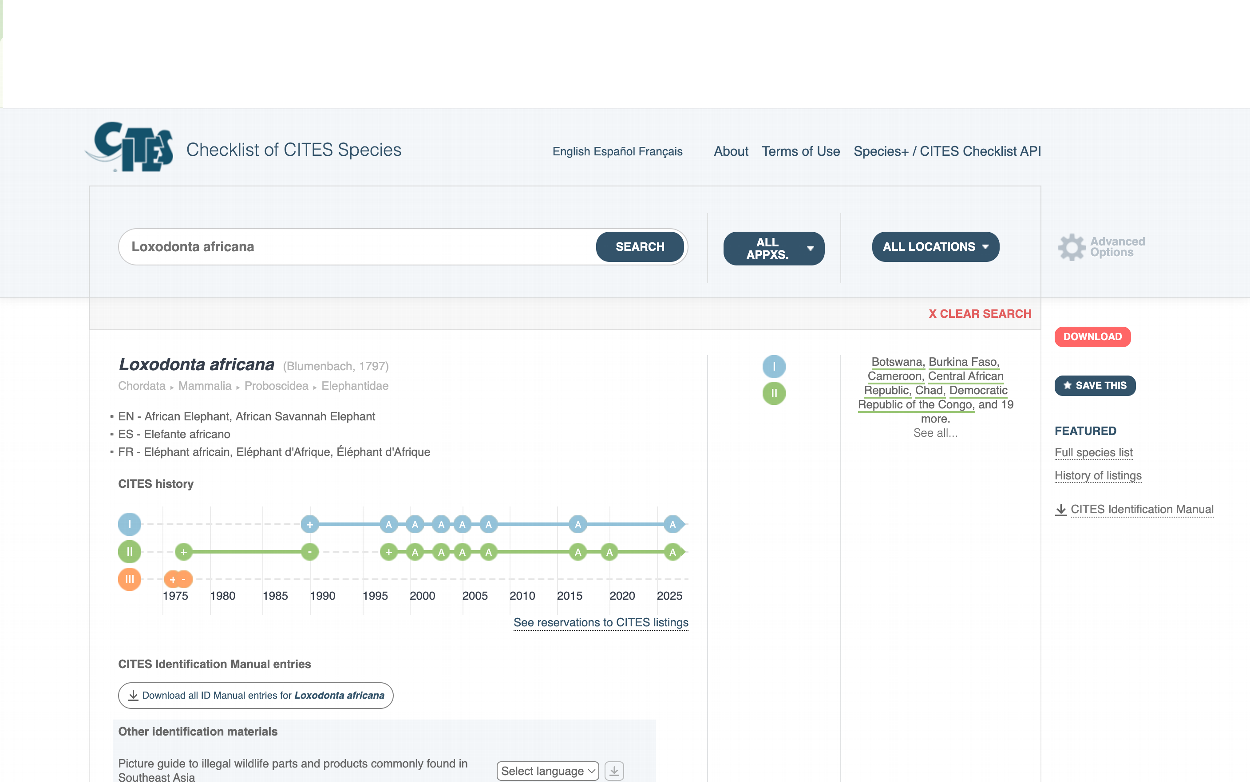
Before applying, identify the species or material in the item (for example, elephant ivory, Brazilian rosewood, crocodile skin, or coral). You can use the government's guidance and the Species+ database to confirm whether it's listed under CITES.
Gather the information you'll need.
This usually includes:
- A description of the item.
- The species (if known).
- Photographs.
- The age of the item (especially for antiques).
- Proof of ownership or purchase.
- Details of where the item is being exported from and imported to.
Apply online.
Create or sign in to your government account and complete the online application. You'll need to specify whether you're applying for an:
- Export permit
- Import permit
- Re-export permit
- Other certificate (such as a travelling exhibition certificate).
Pay the application fee.
Most CITES permits have a fee, although some certificate types are free or have different charges.
Wait for approval.
APHA aims to process applications within 30 days, although more complex cases may take longer if scientific advice is required.
Receive your permit.
If approved, you'll receive an official permit. This document must accompany the shipment and be presented to customs when the item enters or leaves the UK.
Common Mistakes Made With Cites
When applying for a CITES permit, the most common mistakes are caused by missing or inaccurate information. These can delay approval or even result in the application being rejected.
Here are the most common mistakes:
1. Not knowing the species
Many people describe an item too generally.
❌ "Rosewood table"
✅ "Table made from Dalbergia nigra (Brazilian rosewood)" (if known)
The species is often more important than the common name.
2. Assuming antiques don't need CITES
A common misconception is that because an item is old, it doesn't require a permit.
Many antiques containing ivory, rosewood, tortoiseshell, or other protected materials still require CITES documentation for international shipment.
3. Providing an incomplete description
A vague description can delay your application.
Instead of:
"Wooden cabinet"
Provide:
"19th-century cabinet with Brazilian rosewood veneer and ivory escutcheons."
4. Forgetting to include photographs
Clear photographs help APHA identify the item and the protected material.
Include:
Full view of the item.
Close-ups of any protected material.
Labels or markings, if present.
5. Not providing proof of age or ownership
For antiques, include documents such as:
Auction invoices.
Purchase receipts.
Provenance records.
Valuation reports.
Expert opinions.
These can help demonstrate the item's age and history.
6. Applying too late
Many people apply just before the shipment is due.
CITES permits can take several weeks to process, so apply well in advance of your planned shipping date.
7. Using the wrong type of permit
There are different permits for:
Export.
Import.
Re-export.
Travelling exhibitions.
Choosing the wrong one can cause delays.
8. Assuming every country has the same rules
While CITES is an international agreement, individual countries may have additional import requirements.
Always check the destination country's regulations before shipping.
9. Sending the shipment before the permit is issued
Never ship an item requiring CITES before you have the necessary permit.
If customs inspect the shipment without the correct documentation, it may be delayed, seized, or refused entry.
10. Not asking clients the right questions
For fine art and antiques, this is one of the biggest mistakes.
Before accepting an international shipment, ask:
Does the item contain any animal or plant materials?
Is there ivory, coral, reptile skin, horn, feathers, or protected wood?
Has it been shipped internationally before?
Do you already have CITES paperwork?
These questions can identify potential issues before the shipment reaches customs.
How prime lane helps!
We know CITES regulations can seem complicated, especially when shipping fine art, antiques, or collectibles containing protected plant or animal materials. That's where we step in:
We identify potential CITES requirements — We'll review your shipment and help determine whether CITES documentation may be needed before it travels.
We guide you through the process — Whether you're applying for a CITES permit for the first time or need advice on an existing permit, we'll explain what's required every step of the way.
We help prepare your application — We'll assist you in gathering the necessary information, including item descriptions, photographs, provenance, and supporting documentation, to help avoid delays.
We check your paperwork — Before your shipment leaves, we'll ensure the required CITES documentation is in place and accompanies the shipment.
We help keep your shipment moving — By identifying potential issues early, we reduce the risk of customs delays, rejected shipments, or unnecessary complications.
We stay up to date — As CITES regulations evolve, we'll keep you informed and help ensure your international shipments remain compliant.